
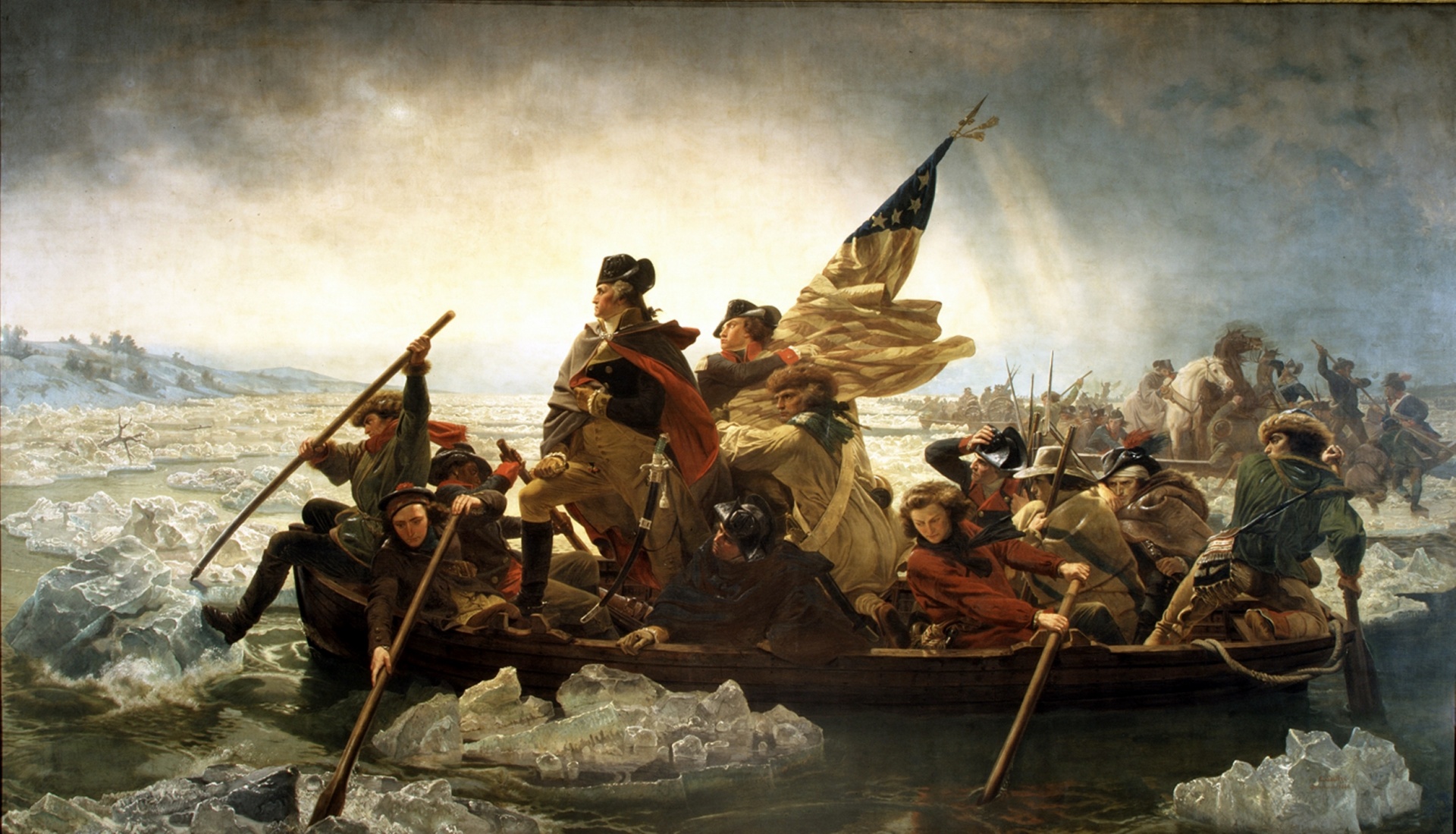
As America celebrates its 250th anniversary, we naturally reflect on the remarkable individuals who shaped our nation. No name stands taller than George Washington. While history remembers him as a victorious general and our first President, his greatest achievement was not winning a war or holding office. It was the way he chose to lead.
Leadership is often measured by power, influence, or success. George Washington demonstrated that true leadership is measured by character.
Long before he became President, Washington earned the trust of those around him. As Commander in Chief of the Continental Army, he led an inexperienced and often under-equipped force through eight years of hardship. His soldiers endured bitter winters, scarce supplies, and countless setbacks. What sustained them was not simply Washington’s military skill—it was his unwavering commitment to the cause and the confidence he inspired in those who served beside him.
Washington understood that leadership begins with service. He shared in the sacrifices of his troops, remained steadfast during the darkest moments of the Revolutionary War, and consistently placed the needs of the nation above his own ambitions. He knew that trust is earned through actions, not titles.
Perhaps the defining moment of Washington’s leadership came after the war had been won.
Many expected him to seize power. Some even suggested he should become king. Instead, in December 1783, Washington voluntarily resigned his commission and returned home to Mount Vernon.
King George III reportedly remarked that if Washington truly relinquished power and returned to private life, “he will be the greatest man in the world.”
In an era when victorious military leaders often ruled by force, Washington established a revolutionary example: military authority exists to serve the people, not govern them. That single act reinforced the principle of civilian control of the military and set a standard of selfless leadership that continues to define our Republic.
Years later, after serving two terms as President, Washington once again placed country before self by voluntarily stepping away from office. In doing so, he established the tradition of the peaceful transfer of power—one of the enduring cornerstones of American democracy.
These decisions were not displays of weakness. They were extraordinary demonstrations of strength, humility, and discipline.
The Special Operations community understands these qualities well. Throughout our nation’s history, Special Operations Personnel have quietly accepted the most difficult missions, often without public recognition or expectation of reward. They lead by example, embrace accountability, and place the mission and their teammates ahead of themselves. The greatest among them are known not for seeking the spotlight, but for earning the trust of those who stand beside them.
George Washington embodied those same timeless principles. He believed leadership was not about personal glory, but about responsibility. He understood that integrity creates trust, humility earns respect, and character is revealed most clearly when no one is watching.
As we commemorate America’s 250th anniversary, Washington’s example reminds us that while the challenges facing each generation may change, the qualities that define great leaders do not.
Courage. Integrity. Humility. Selfless service.
These are the virtues that guided our nation’s first leader. They remain the qualities that inspire the leaders of our Special Forces today and will continue to shape those who answer the call to serve in the generations to come.
“Perseverance and spirit have done wonders in all ages.” — George Washington
Those eight words could almost serve as the motto for both the founding of our nation and the men and women of the Special Operations community who continue to defend it today.
Sources:
https://www.mountvernon.org/library/digitalhistory/past-projects/quotes